Discounting in the hotel industry is a topic that has always sparked strong opinions. On one hand, there are rising costs and pressure to maintain or increase ADR. On the other, every hotelier knows the moment when there are just three days left until arrival, pick-up suddenly slows down, and rooms are still sitting empty.
This is when the key dilemma arises: Is it better to hold the rate or fight for occupancy?
In practice, discounting is often associated with simple tactics like –10% for everyone or a quick last-minute offer. The problem is that this kind of reactive approach can hardly be called a strategy. A discount applied without a clear plan can reduce the perceived value of your offer and disrupt your pricing strategy.
Meanwhile, discounting can serve a completely different purpose. Not just as a price reduction, but as a strategic tool for a revenue manager: to build booking pace in advance, filter higher-quality stays, stabilize revenue during slower periods, and sometimes protect RevPAR when the market becomes unpredictable.
In this in-depth interview, we speak with Justyna Futyma, a revenue manager who treats discounting as exactly that - a versatile tool in her revenue management toolkit.
Stay with us to gain practical insights on how to make decisions based on lead time, pick-up, and budget, when discounting makes sense and when it becomes a mistake, and why minimum stay restrictions and well-designed packages often deliver better results than a simple –X% price reduction.
The interview was conducted by Piotr Zioło, Director of Data Science at GuestSage.
Key terms
Piotr Zioło: Justyna, let’s start with the basics. What is your approach to discounting in hotels? Does a discount always mean a loss?
Justyna Futyma: No. Ultimately, the biggest loss in a hotel is an unsold room at the end of the day. If we can be flexible and still sell a room, especially through a direct channel, even with an additional discount, in many cases this is a better outcome than leaving the room empty. This is crucial for RevPAR.
At the same time, discounting strongly depends on demand, the market, and the specific property. I work with hotels in Kraków, where during high season occupancy is very high - reaching 90% or even 94%. In a situation of strong demand, my goal is always to increase the average rate year over year, optimize ADR, and focus on higher-quality bookings, because high occupancy is already secured.
That’s why discounting only makes sense when it results from a specific situation, not when it is applied automatically.
Piotr Zioło: So in your view, is it possible to increase RevPAR while lowering ADR for some guests?
Justyna Futyma: Absolutely - it all depends on the strategy. With inflation and rising costs, most hotels likely have targets to increase ADR. If you maintain the same occupancy while increasing ADR, you naturally achieve higher RevPAR and total revenue.
However, there are situations where you simply won’t be able to sell rooms at the planned rate. For example, when competitors lower their prices, market demand drops due to canceled flights or fewer events, or when you receive a large cancellation and already know—based on the lead time—that you won’t sell those rooms at the original rate.
In such cases, it becomes necessary to lower prices to attract more bookings at a lower rate, in order to ultimately achieve the target RevPAR.
So, to answer briefly: yes, you can increase RevPAR by lowering ADR, as long as you increase occupancy at the same time.
Piotr Zioło: Before you even decide to apply a discount, what do you look at first?
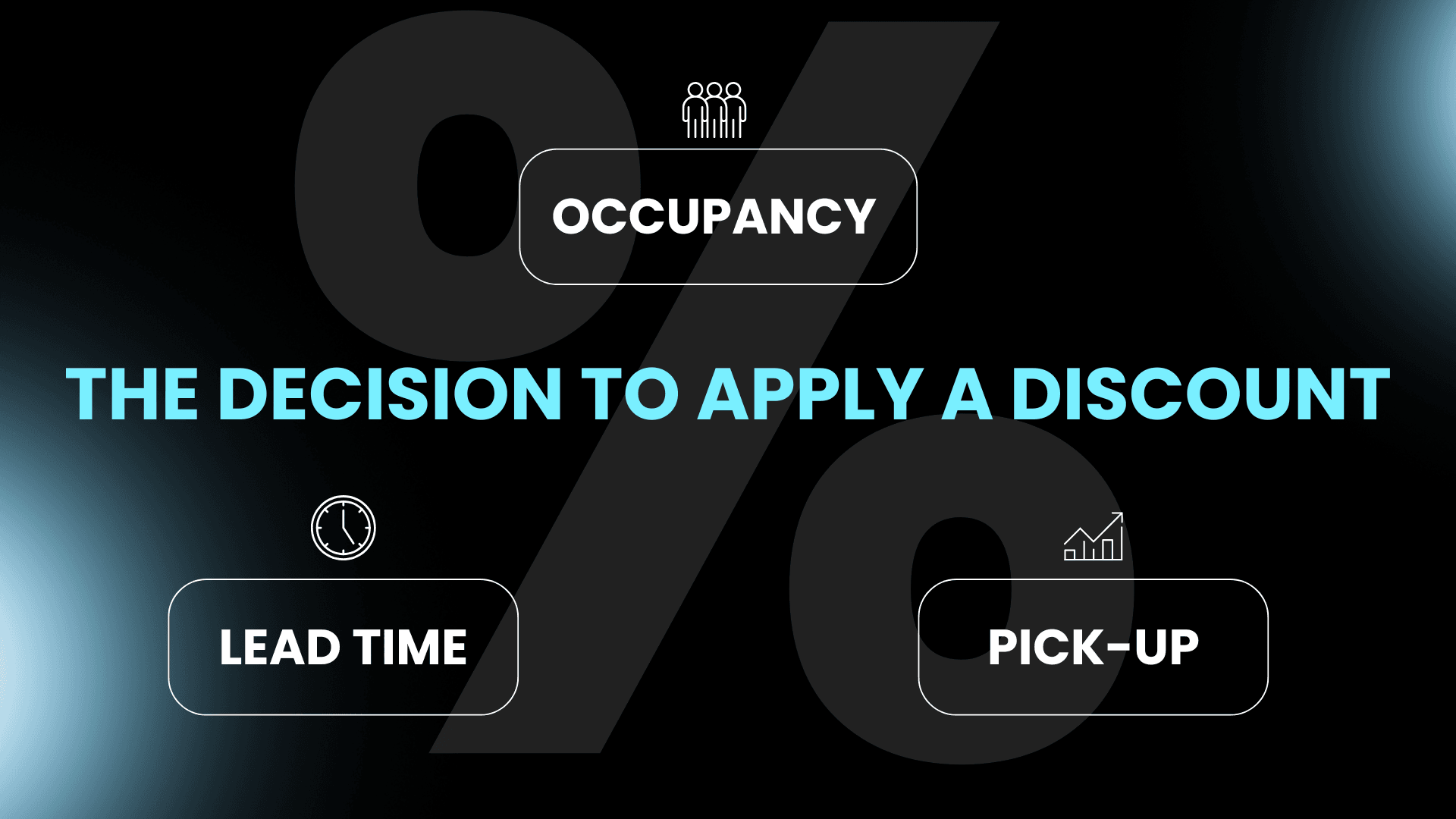
Justyna Futyma: For me, the key factors are occupancy, the number of days until arrival, and pick-up, meaning how quickly bookings have been coming in recently for a specific date.
Occupancy alone doesn’t tell the full story. The same occupancy level can mean completely different things depending on how much time is left before arrival and how sales are progressing.
For example, if I have 80% occupancy, 60 days to arrival, and a stable pick-up, I definitely do not introduce discounts. Sales are on track, and I still have room to optimize ADR.
But if I have the same 80% occupancy, only 7 days left to arrival, and no new bookings in the last 5 days, the situation is completely different. At that point, there is a real risk those rooms will remain unsold. In this case, discounting makes sense, because the priority shifts to selling the remaining rooms, not maintaining the planned ADR.
Piotr Zioło: You mentioned that everything depends on the market and the property.
Justyna Futyma: Yes, because there is no single discounting strategy that works everywhere. The market strongly determines whether we need discounts at all, what kind of discounts to apply, and at what times.
Kraków is quite specific - during high season, demand is very strong. In such conditions, there is no need for additional discounting, as it simply reduces our potential to improve ADR.
On the other hand, there are markets that behave very differently and can be heavily influenced by external factors, such as geopolitical situations. A good example is Rzeszów. For years, it was primarily a business travel market, but with the outbreak of the war, the city became strategically important, attracting a completely new segment and significantly increasing demand. Later, the situation stabilized and largely returned to pre-war conditions. This shows that strategy must be managed dynamically and adjusted to changing trends.
Piotr Zioło: And how does this look in your day-to-day practice? What discounts do you have set up as a baseline?
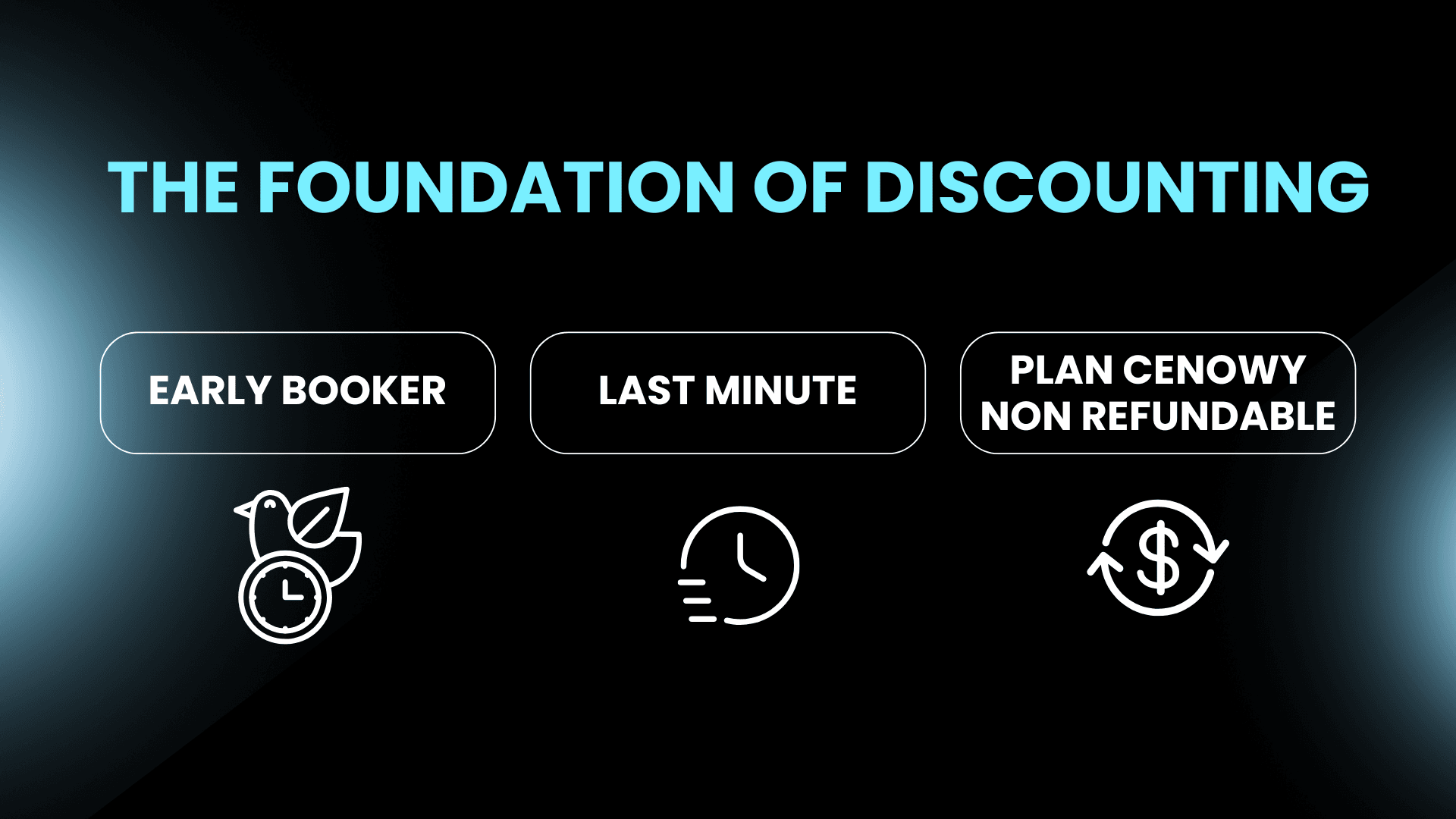
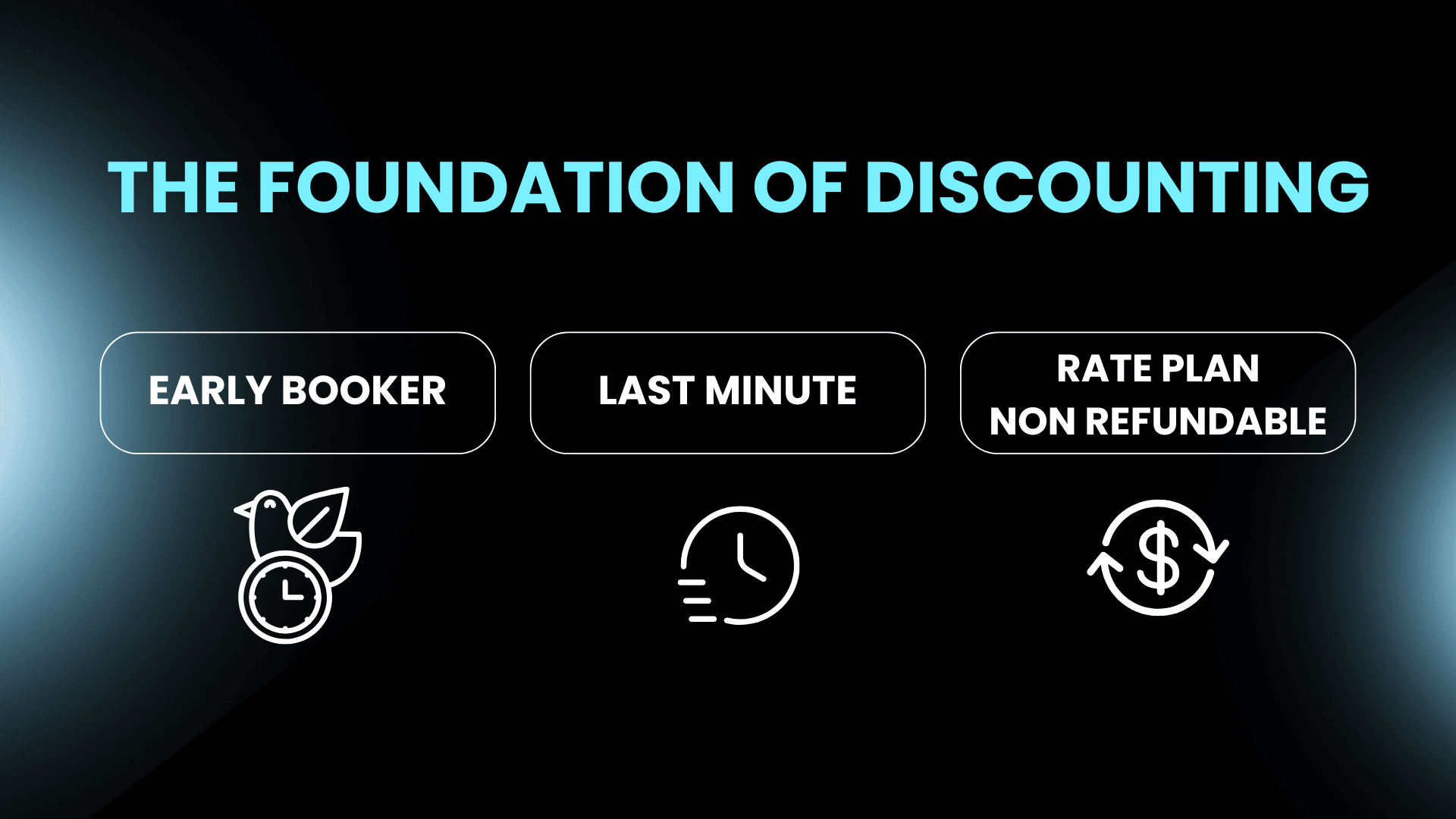
Justyna Futyma: I build my strategy around three core elements: Early Booker, Last Minute, and a separate non-refundable rate plan.
These act as a foundation. Of course, depending on the situation, I introduce additional actions and manage pricing dynamically, but this base structure remains relatively constant.
Piotr Zioło: Let’s focus on Early Booker. What value does it bring you?
Justyna Futyma: For me, Early Booker is crucial because it allows me to build a base of reservations in advance.
This gives me greater comfort in managing sales later on. Instead of fighting for occupancy at the last minute, I can focus on optimizing pricing for incoming bookings.
In my strategy, it’s also essential that the average rate increases year over year. Having that early booking base gives me the flexibility to work on improving ADR.
Piotr Zioło: And what about Last Minute? Does it work for you?
Justyna Futyma: Last Minute works, but it’s not a guaranteed solution for filling occupancy. Its effectiveness depends heavily on seasonality and the guest segment.
Business travelers are more likely to book last minute, whereas families with children usually are not.
Additionally, if the share of short lead-time bookings is generally low in a given property, we can assume that a last-minute discount will not significantly improve pick-up.
Piotr Zioło: When you decide to introduce an additional promotion, how do you determine the appropriate discount level?
Justyna Futyma: I always start by looking at how ADR compares to the budget assumptions. That’s my baseline, because any discount must be aligned with the property’s financial goals - it cannot be detached from the overall revenue strategy.
Piotr Zioło: You mentioned that you focus on high-quality bookings made well in advance. What exactly does that mean?
Justyna Futyma: For me, high-quality bookings are primarily those with a longer length of stay, ideally three nights or more, and bookings for higher room categories.
These are also reservations made with a longer lead time, typically by families with children or groups of friends. These segments don’t book at the last minute - they plan ahead and look for offers tailored to their needs.
In these cases, price is usually not the main deciding factor. However, even a small discount, such as 5%, can improve visibility and help attract the attention of a specific segment.
Piotr Zioło: And this is where restrictions come into play?
Justyna Futyma: Exactly. In practice, applying minimum stay restrictions helps target the desired guest segment more effectively.
Piotr Zioło: We’re talking about segments and how strategy depends on the type of guest. But how does a hotel actually know who the guest is?
Justyna Futyma: Guest segmentation should be defined in the property management system (PMS) by the front desk, and then analyzed by the sales team or revenue manager to understand which segments are visiting during specific periods.
Piotr Zioło: What segments should be defined in the system?
Justyna Futyma: It can be quite simple. A revenue manager can start by asking front desk staff who their guests are. Based on their observations, it’s easy to identify segments such as business travelers, conference guests, families with children, couples, influencers, and so on.
Piotr Zioło: What guest-related information is most important to you when building an offer?
Justyna Futyma: I define which segment I’m targeting, what needs that guest may have, and whether there is potential to turn them into a returning guest.
These insights directly help in creating a tailored and relevant offer.
Piotr Zioło: You also mentioned that lowering the price isn’t always necessary—that sometimes it’s better to structure the offer differently.
Justyna Futyma: Exactly. Sometimes you don’t need to adjust the price at all. Instead, you can focus on how the offer is presented - using high-quality images and compelling descriptions. You can also create package offers that combine accommodation with additional services tailored to a specific guest segment.
Piotr Zioło: What can be included in a package?
Justyna Futyma: Essentially anything the property offers, even options like early check-in or late check-out. In resorts or larger hotels, it’s even easier because there are more possibilities: spa treatments, meals, excursions, or additional attractions that can be naturally bundled into the offer.
Piotr Zioło: And how should such packages be structured in the system to actually work?
Justyna Futyma: Packages should often include a minimum stay requirement, especially when they are tied to recurring events.
For example, if part of the package takes place on a specific day, the minimum stay ensures that the guest can actually benefit from it and that it makes sense from the hotel’s perspective.
You can also control arrival days - for instance, setting arrival on Tuesday with a minimum stay of three nights if the packaged experience takes place on Thursday.
Piotr Zioło: How do you see packages in the context of discounting? Are they an alternative to lowering prices?
Justyna Futyma: Yes, absolutely. Sometimes even a symbolic discount on a single service is enough. If the offer is well-packaged and tailored to a specific segment, the guest is essentially buying a complete experience in one click - and appreciates that the stay has been thoughtfully planned for them.

Piotr Zioło: Do you also have a loyalty program?
Justyna Futyma: Yes, we recently implemented one directly within the booking engine. It’s not a seasonal campaign or a temporary promotion - it’s a permanent part of our direct sales strategy.
Piotr Zioło: How does it work in practice?
Justyna Futyma: The entry point is simple: a percentage discount for joining the program, and then the rewards scale with the number of stays. These can include things like parking discounts, welcome gifts, or room upgrades. The rules are clear, fixed, and transparent.
Piotr Zioło: Have you come across the approach where hotels increase the base rate and then apply a large discount - for example, during Black Friday?
Justyna Futyma: Yes, I’ve seen cases where hotels raise their base rate just to apply a more dramatic discount later. From a marketing perspective, it may look appealing.
Piotr Zioło: Do you think that approach makes sense?
Justyna Futyma: I’m not sure what the final outcome is in such cases, but from my perspective, it’s a very risky strategy.
Piotr Zioło: So in your opinion, it’s not the right direction?
Justyna Futyma: It’s important to remember that loyal guests track prices and quickly notice such tactics. They think: “This is actually the regular price I would normally pay, not a real 30% Black Friday discount.” This creates a sense of distrust, especially among returning guests.
Piotr Zioło: So in a way, we’re damaging our most valuable segment?
Justyna Futyma: Exactly. On top of that, the hotel trains guests to expect promotions all the time. At some point, guests start thinking that booking without a discount doesn’t make sense. That’s when you lose the credibility of your base rate, and guests stop taking it seriously.
Piotr Zioło: What are the most common mistakes you see in hotels when it comes to building competitiveness on their own booking engine?
Justyna Futyma: The most fundamental mistake is still the lack of competitive pricing on the direct booking engine, along with the absence of preferential booking conditions.
Hotels also often fail to dynamically manage availability, rate plans, or minimum stay restrictions in a way that creates better booking conditions on their own channel.
Today, rate parity restrictions have largely been lifted, so hotels absolutely should offer better conditions for direct bookings compared to third-party channels.
Piotr Zioło: How do you approach personalized discounting in general?
Justyna Futyma: For me, it’s all about an individual approach to the guest. The key is to understand who your guest is and what their needs are.
And importantly, it’s not always about the price itself.
Piotr Zioło: And that’s exactly the difference between a personalized offer and a standard discount for everyone.
Justyna Futyma: Exactly. With a personalized offer, guests feel they are receiving something special and tailored. Today, experience and emotions often matter more than a generic promotion.
Piotr Zioło: In what situations do you think it makes sense to offer a guest a different price than the base rate?
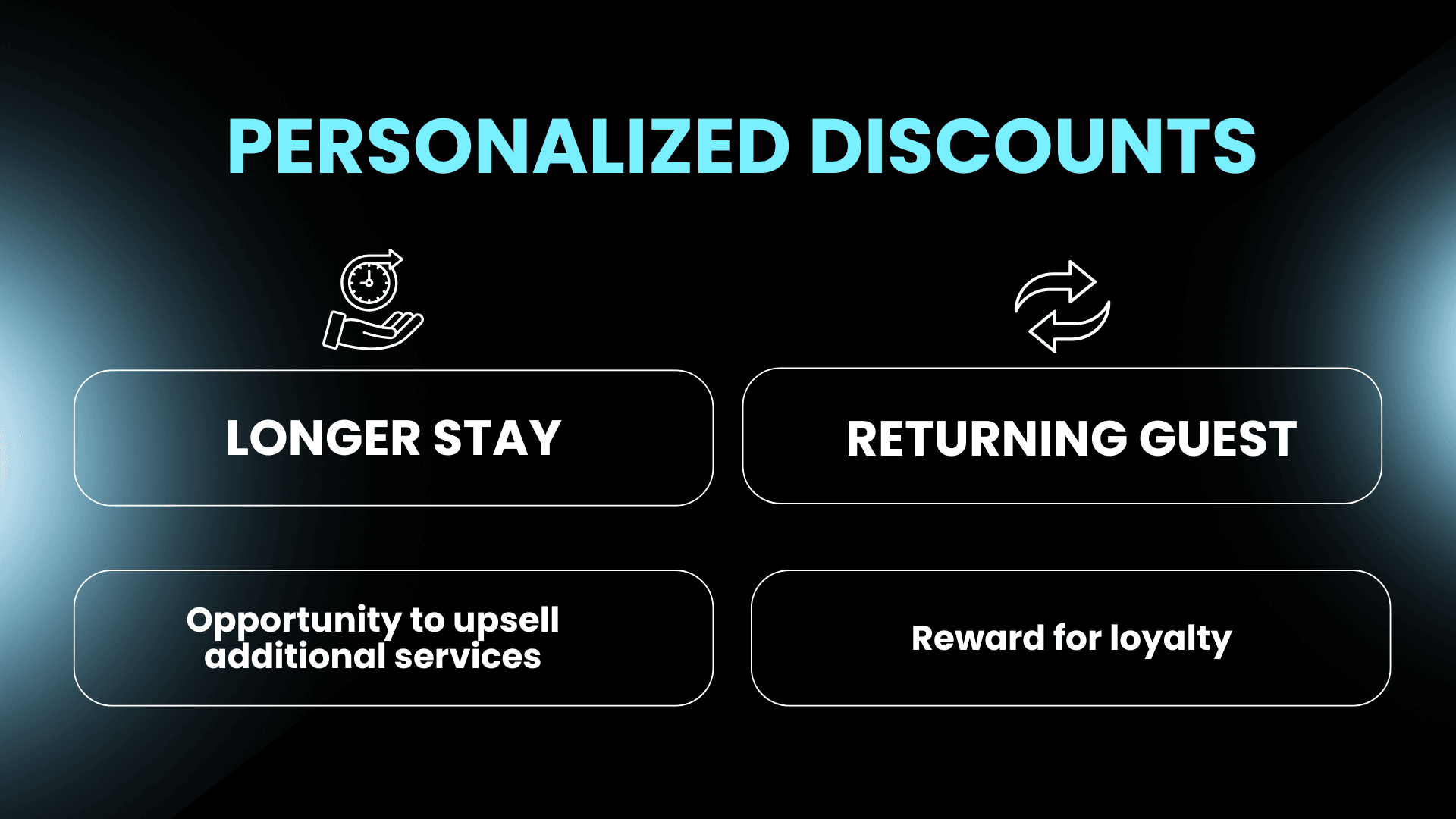
Justyna Futyma: Aside from the situations we discussed earlier, I would say there are two key scenarios where it’s most justified:
First, when a guest is booking a longer stay.
Second, when the guest is a returning customer.
Piotr Zioło: And a returning guest - should they always receive different conditions?
Justyna Futyma: Yes, because it’s a reward for loyalty.
Piotr Zioło: Which segments respond best to this kind of personalized offer?
Justyna Futyma: It depends on the season, but typically I would point to couples and families with children.
Piotr Zioło: I feel like we could talk about pricing strategies for hours. Hopefully, we’ll have another opportunity. Thank you very much for today’s conversation, Justyna.
Justyna Futyma: Thank you as well!
10 principles of smart discounting
1. A discount only makes sense when it serves a clear purpose.
Never apply discounts without defining the target audience and their needs.
2. At times, RevPAR is more important than ADR.
The biggest cost in a hotel is an unsold room, but during high-demand periods, the priority shifts to maximizing ADR.
3. Before adjusting your rates, check three key factors:
occupancy + lead time + pick-up
4. Occupancy alone means nothing without context.
80% occupancy 60 days before arrival is a completely different situation than 80% occupancy 7 days before arrival.
5. Build your base in advance.
Early Booker helps create a secure booking base, then focus on increasing ADR during key periods.
6. Last Minute works, but it’s not a universal solution.
Analyze which segments respond well to last-minute discounts and in which seasons.
7. Support your direct booking channel.
Instead of changing everything across all channels, introduce additional promotions within your booking engine and offer more favorable booking conditions.
8. You don’t always need to lower the price, sometimes it’s about better presentation.
Improve naming, descriptions, visuals, and overall communication.
9. Loyalty works best when the rules are consistent.
A strong loyalty program may include a sign-up discount, followed by benefits tied to the number of stays and a clear progression system.
10. Avoid fake discounts and “Black Friday-style” tactics.
They damage price credibility, train guests to wait for promotions, and discourage returning customers.
+ One key principle: your strategy should always depend on the market and the property. What works in one destination may not work in another.
What can you implement starting tomorrow
- Monitor pick-up weekly and react when it suddenly slows down
- Build an Early Booker base (even 20–30%) to avoid chasing occupancy at the last minute
- Introduce one seasonal package instead of another price reduction
- During low-demand periods, add a dedicated promotion only on your booking engine instead of changing rates across all channels
- Optimize minimum stay restrictions to better target the desired segment within a given lead time